

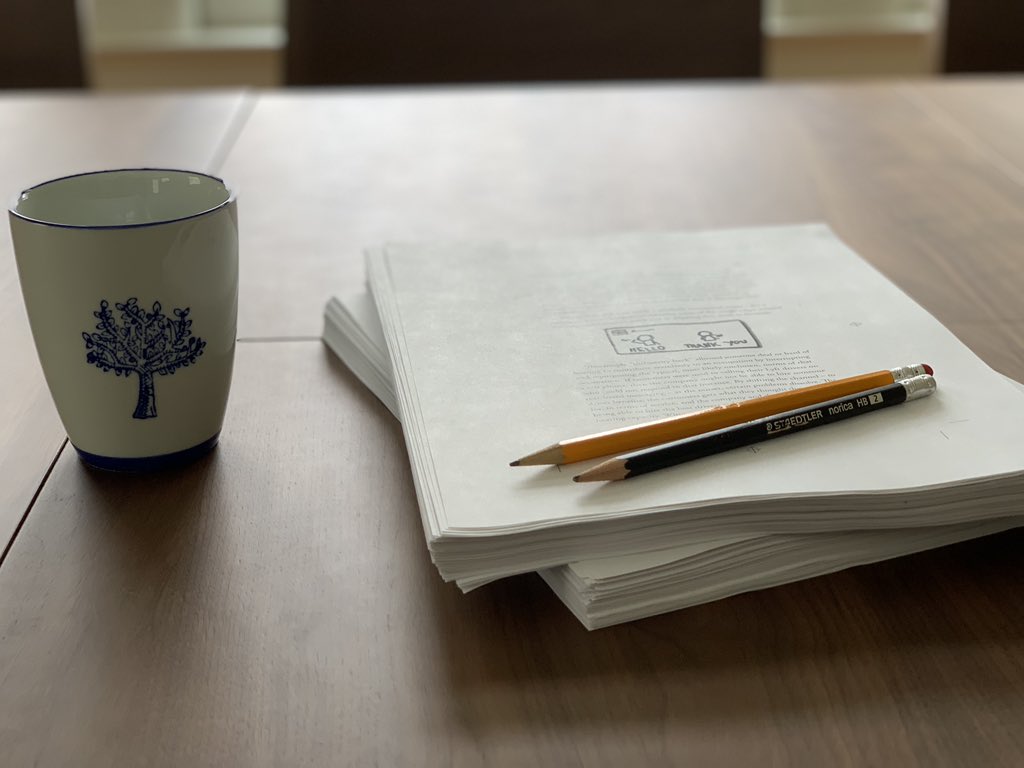
My version of an index card near my keyboard
This past week I wrote posts about:
Now they’re all in one place for you, easily accessible as you sip your morning coffee and make your weekend plans.
Today, as part of my school’s Professional Growth Program, I used an iPad mounted on a tripod to video myself teaching. I have only had time to watch the first seven minutes, but I have already derived a lot of benefit from watching things like my posture, my tone of voice, where I stand, and the extent to which students are focused on contributing vs. typing (i.e., head up vs. head in laptop).
A side benefit is the fact that I had to explain the presence of the camera to my every curious / squirrelly class. This led to a quick but good conversation about a lot of meta-concepts that matter to me and that I enjoy teaching but often do not, at least explicitly: the benefits of practice, the value of reflection, the importance of seeing yourself “in the act of,” and the necessity, for growth, of being self critical without being overly hard on yourself.
They think I’m a pretty good teacher. I know this because I’ve surveyed them. I like the implied lesson of the camera’s presence — even pretty good, even well rehearsed, even — or rather, especially — automatic can seek to improve. Must seek to improve.
I’ve been keeping an eye on the people in my life who are really effective decision makers. Two of the underrated capacities that underpin their successful processes are quite simple: 1) they carefully keep track of decisions that need to be made, and 2) they actually make the decisions on their decision list, even if they have incomplete information. The first capacity is organizational; the second is behavioral.
So, if you think of yourself as a bad decision maker, try keeping a decision list each week and picking a weekly, recurring time (preferably early in the day) when you make as many of those decisions as you reasonably and responsibly can. See if that changes anything for you.
have a lot of ugly underneath, e.g.,
I love this Zach Lowe sentence, a mere parenthetical remark, about Trae Young’s passing.
(Seriously: He has every pass, and he releases the ball a beat earlier or later — depending on what does the most damage — than the typical NBA point guard. Such quirky timing is the mark of genius in a passer.)
http://www.espn.com/nba/story/_/id/26104826/10-things-like-including-lakers-tank-talk
It reminds me of how I’ve heard some people describe the piano phrasings of Thelonious Monk. And it is like the thing it describes — a nice feat for a writer.
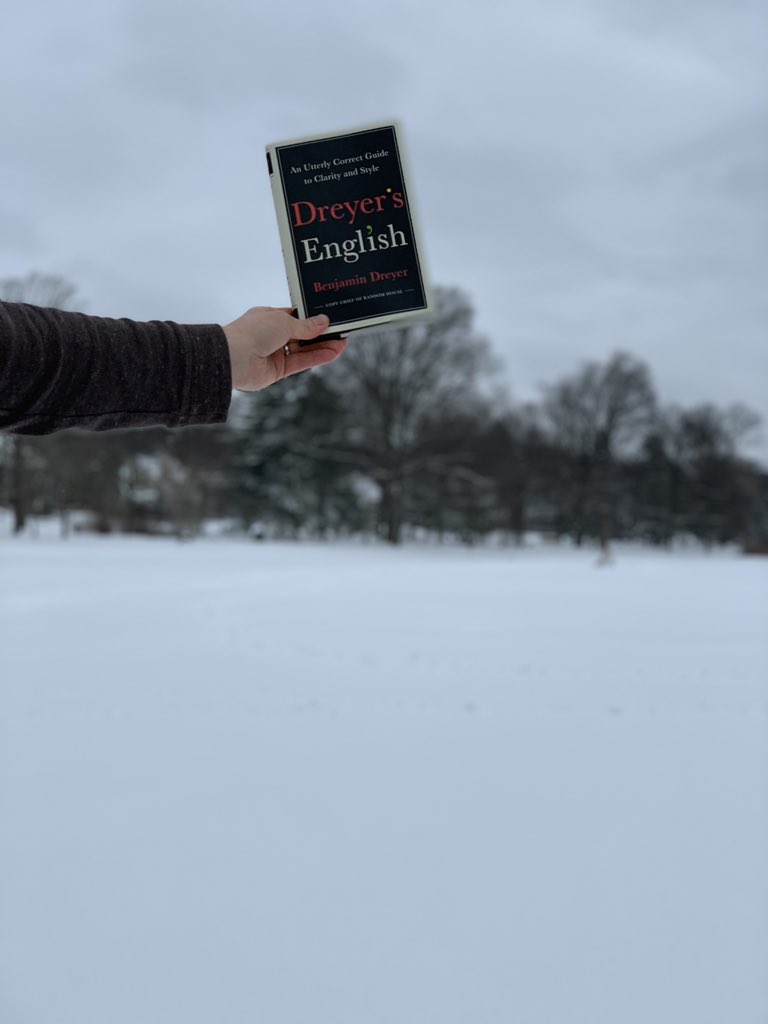
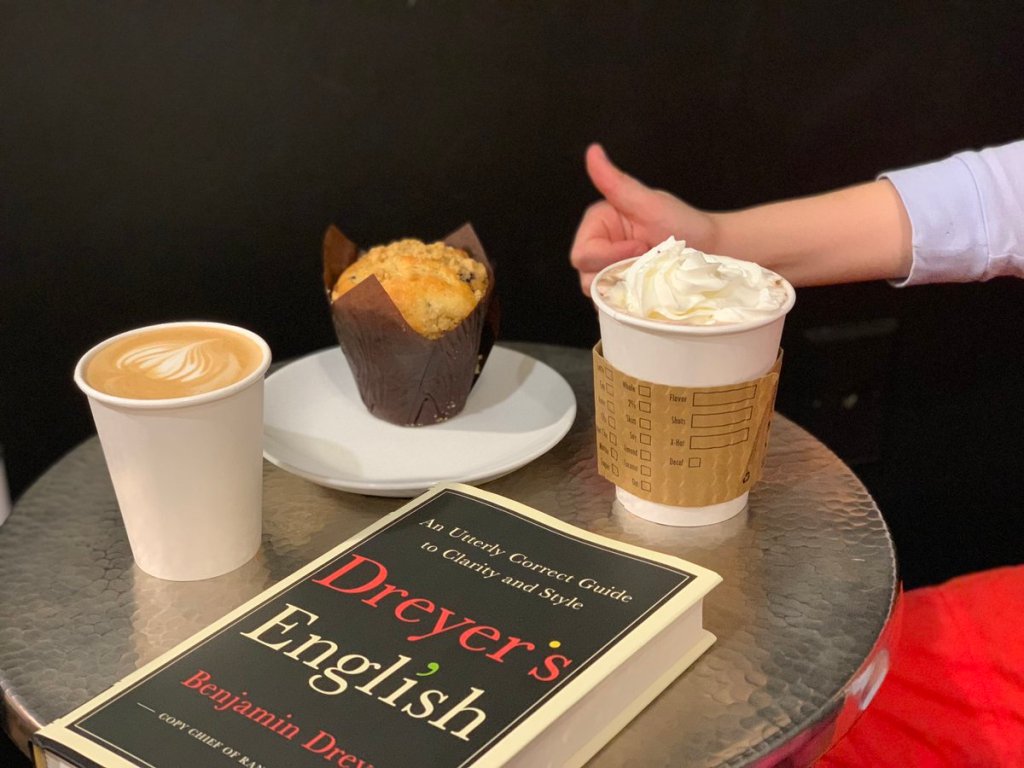
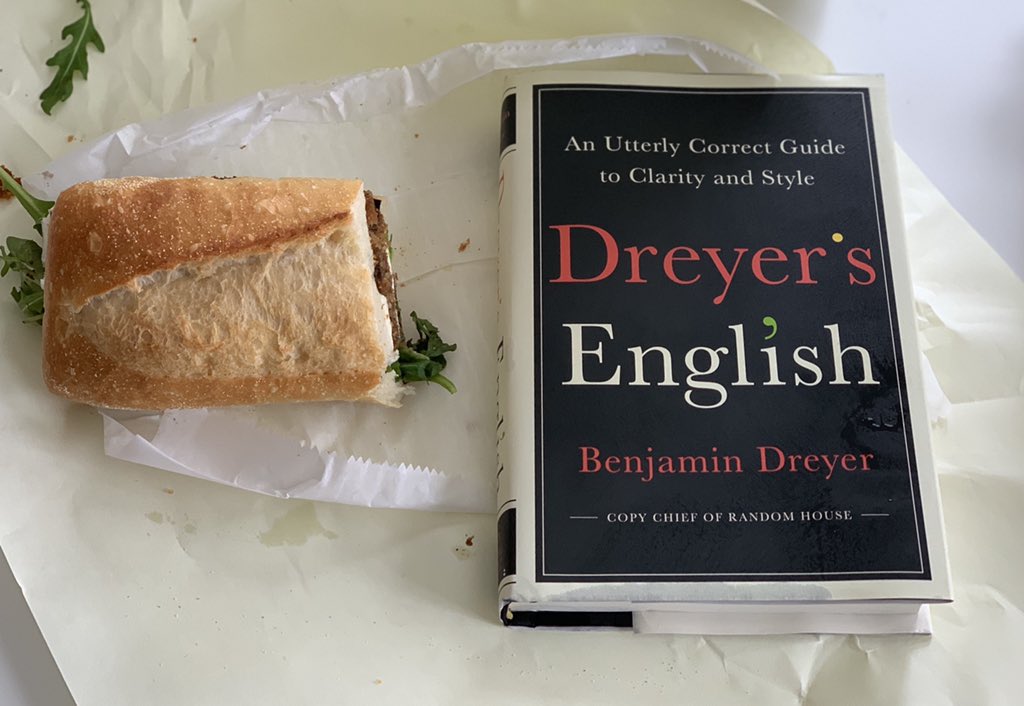
We’ve had a lot of snow in New Jersey lately, and since my son and wife are in Spain for a few days, my daughter and I have been doing our best to keep each other company. I’m also in the final stages of proofing my next book (co-authored with Reshan Richards). To support the proofing process, I’ve been reading Dreyer’s English. Here’s a story, in 11 photos, depicting how well all that is going.



This past week I wrote posts about:
Now they’re all in one place for you, easily accessible as you sip your morning coffee and make your weekend plans.
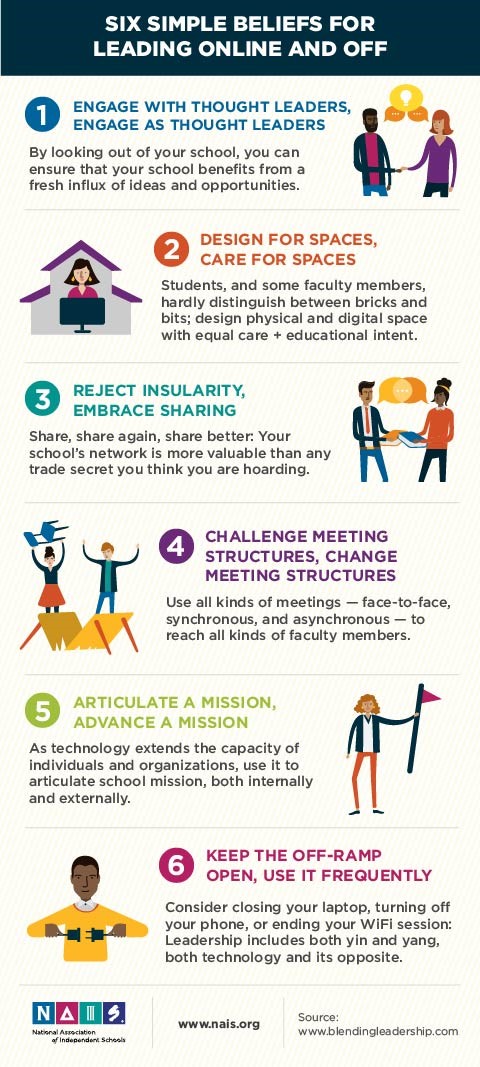
An article I wrote with Reshan has been making the rounds again, and I was reminded of this nice graphic that the magazine made to accompany it. I’m not linking to the article because I think this visual does enough to explain the key concepts — in about 1/4 of the time.
Today I learned about a “design hierarchy of needs” that essentially maps onto Maslowe’s hierarchy of needs, which is one of my favorite teaching tools when I’m helping students understand novels. In an informative article, Steven Bradley explains all the connections between Maslowe’s hierarchy and his own, and he then offers some analysis and application. What I like best about Bradley’s presentation is that he doesn’t shy away from presenting the key criticisms of these hierarchies.
But then he does a nice crossover, basketball style, placing responsibility back on the user in a way that any pragmatist would appreciate: “These hierarchies are not absolutes that you must follow. As with all design, look at your success criteria to determine your design objectives. Your audience may well prefer an aesthetically beautiful website that has occasional hiccups to a boring website that is perfectly reliable.”
Here’s a screen grab of Bradley’s hierarchy. The idea is, to get to the top, you have to work up from the bottom, satisfying each step. As with all the terminologies I present, I suggest that you now go looking for it IRL. See if it applies to your work or your play. See if it helps you to solve problems. See if it, somehow, makes things lighter or better or more useful. Happy Friday.

 Refreshing Wednesday, LLC